 Request Consultation
Amy Yoder, EdD, Northwest Christian School
ABSTRACT
This reflective narrative chronicles a transformative journey of an educator’s experience teaching in a private Christian school and the subsequent pursuit of research on the spiritual formation of Generation Z students. Drawing upon Dewey’s notion of reflection and a comprehensive review of the literature and spiritual development theories, the author examines why students in Christian schools identify teachers as the primary influence in their spiritual formation. This reflection explores the complexity of spiritual development, the challenges posed by Generation Z students’ digital native characteristics, and the feelings of inadequacy among teachers in fostering spiritual formation. Guided by Greenberger’s reflective framework and Dewey’s principle of continuity, the author aims to deepen her understanding of students’ perceptions and cultivate confidence and aptitude in supporting students’ spiritual growth. The analysis highlights teachers’ multifaceted roles as trusted confidants, mentors, role models, and spiritual guides, transcending the boundaries of academic instruction. The reflective practice findings emphasize the authenticity and modeling of faith by teachers and relationship building, which creates a powerful environment where students observe and internalize the practical application of Christian principles. Additionally, the study considers the varying stages of faith among students and the need for teachers to adapt their roles and approaches accordingly.
Key Words: Reflective Practice, Christian Education, Spiritual Formation, Generation Z, Westerhoff
PROBLEM
The purpose of private secondary Christian schools is multifaceted and can vary depending on the specific school’s mission and philosophy. Regardless of the denomination affiliation, two components comprise the mission of Christian schools: spiritual formation and academic excellence. Spiritual formation comprises, in part, the mission of Christian secondary schools as they attempt to educate, train, and equip students to remain devoted to their faith while encountering life challenges after high school graduation (Gane, 2014; Horan, 2014; Long, 2014). K-12 Christian schools employ common spiritual formation strategies such as faith-learning integration, Bible classes, weekly chapel and worship, discipleship, and various experiences to foster spiritual formation in adolescents, which can attribute to a life-long faith (Yoder, 2020; Horan, 2014). As a teacher in a secondary Christian school, I am invested in both the academic and spiritual formation development of all of my students. My goal in teaching is not only to help students grow in academic knowledge, which will aid them in postsecondary opportunities, but also to support their spiritual formation with the hopes that they will have a life-long faith. After completing my doctoral dissertation, I discovered that teachers served as the main catalyst in the spiritual formation of students in secondary Christian schools (Yoder, 2020). Of all the intentional spiritual formation strategies that Christian schools employ, which include chapels, Bible classes, faith-learning integration, discipleships, mission trips, and service experiences, students in my dissertation study perceived the relationships with their teachers as the most influential in their spiritual formation development. I was surprised that the students in the study thought teachers are most important in their spiritual formation.
Assuming responsibility for the spiritual formation process caused me to feel overwhelmed and unqualified for such an undertaking. As a certified teacher, I received training in my content area, curriculum development, and instructional practices, but no training was provided on methods to help students grow spiritually. Spiritual formation remains a complex phenomenon and is influenced by multiple factors (Bailey et al., 2016; Emmanuel & Delaney, 2013). Spiritual formation continues to be a complex phenomenon because of different definitions, various levels of religious commitment, fluctuation in religious practices and beliefs, and inconsistencies in feeling connected to God (Bailey et al., 2016; Emmanuel & Delaney, 2013; Hall et al., 2015; Long, 2014). Furthermore, the complexity surrounding spirituality stems from spiritual formation involving the inner person, which can be difficult to observe and measure. In light of this, I questioned whether I would actually know if my students grew spiritually in my classroom.
In addition to the complexity of spiritual development, my feelings of inadequacy also ensued from the burden of preparing students to live a counter-cultured life and remain steadfast in their faith despite the opposition. The students walking into my classroom each day differed from those in my classroom when I started teaching over 20 years ago, as they consisted of a new generation who viewed technology as an extension of themselves. Generation Z, otherwise known as Gen Next, iGen, Gen I, or the Digital Natives (Igel & Urquhort, 2012; Jain et al., 2014; Seemiller & Grace, 2016; Twenge, 2017)—includes those born between 1995-2012 and tend to be the children of Millennials (Igel & Urquhort, 2012; Jain et al., 2014; Seemiller & Grace, 2016). As their teacher, I experienced relentless competition against their
cell phones for their attention, and this was a topic of conversation amongst all staff members, including the administration. I also noticed that despite the intentional focus on spiritual formation strategies, many students appeared to be apathetic and disengaged from the spiritual development process. According to White (2017), Generation Z remains most shaped by the changing religious landscape, making them the “first truly post-Christian generation” (p. 11). Additionally, only 4% of Generation Z embrace a Biblical worldview (Barna Group, 2018). After spending a decade teaching in a secondary Christian school, it became apparent that even with the intentional focus on spiritual formation, some students failed to grow spiritually, and some even expressed a distaste for Christianity altogether. Considering these factors, I questioned my ability as a teacher and the Christian school’s ability to foster the spiritual formation of Generation Z students. The problem was that I, along with many of my colleagues, did not feel qualified to be viewed as the primary catalyst in the spiritual formation of students. Given all that we know about the “post-Christian generation,” it is not clear to me why Generation Z students in my dissertation study identified teachers as the most influential when the Christian school provided more overt strategies such as chapels, Bible classes, service projects, mission trips, and discipleship groups.
READINESS
My desired outcome for this reflection was to grow in my ability to foster spiritual development in the lives of Generation Z students as a Christian school teacher by understanding the students’ perceptions to cultivate my confidence and aptitude in the classroom. I wanted to embark on this reflective process to examine the most unexpected finding from my doctoral dissertation data from a practitioner’s perspective about why students perceived teachers as the main catalyst in their spiritual development. My objective in this reflective practice was to evaluate why Generation Z students perceive teachers in Christian schools as the most influential in their spiritual formation. With this new understanding, I desired to communicate students’ perceptions to the school’s administration and staff to deepen their understanding of the students and their role in the spiritual formation process.
My reflective practice was guided by Greenberger’s (2020) Guide for Reflective Practice (GRP). Greenberger’s (2020) guide provided a structured framework for writing a reflective essay grounded in the conceptual scaffolding of Dewey’s (1933/1989) seminal work on reflective thinking. Dewey’s (1933/1989) ideas on reflective thinking emphasized the importance of active inquiry, thoughtful examination of experiences, and integrating new knowledge into one’s existing understanding. The value of reflective thought extends beyond self-awareness and introspection. Dewey (1933/1989) proposed that reflection should involve a deliberate and systematic exploration of one’s thoughts, emotions, and actions, leading to deeper insights and personal growth. Greenberger’s (2020) guide builds upon Dewey’s foundation and provides practical steps for organizing and structuring a reflective essay. By following this framework, individuals are encouraged to systematically explore their experiences, analyzing the underlying assumptions, emotions, and implications associated with those experiences. The guide assists writers in connecting their reflections to relevant theories, concepts, and personal values, thereby fostering a deeper understanding of the significance of their experiences.
REFLECTIVE APPROACH
My reflective approach was based on Dewey’s (1938) principle of continuity. Dewey (1938) emphasized the importance of continuity in education and understanding. Learning and growth are not isolated events but are part of a continuous process that builds upon past experiences and connects to future ones. Dewey (1938) advocated for an integrated approach where different experiences and disciplines are interconnected and contribute to a coherent and meaningful understanding of the world. Continuity also extends to the idea that learning should be relevant and applicable to reallife situations. Dewey (1938) argued that knowledge should not be acquired solely for its own sake but should have practical implications and be connected to the experiences and challenges individuals encounter. Hence, my experience is founded on the continuity and interaction of me as a secondary teacher in a Christian school. By embracing the idea of continuity, I recognize that my experiences, knowledge, and actions are interconnected
and continually evolving. This lens allows me to view reflection not as isolated instances but as part of an ongoing process of growth and development.
CHARACTER STRENGTHS
Dewey (1933/1989) emphasized the importance of open-mindedness, wholeheartedness, and responsibility as essential qualities in preparing for research. Dewey believed that open-mindedness is crucial for effective research as it involves the willingness to explore diverse perspectives and consider alternative viewpoints. Open-mindedness is required for self-reflection (Greenberger & Or, 2022). Approaching my research with an open mind allows me to overcome any personal biases and preconceived notions, allowing for a more comprehensive and unbiased understanding of why students tend to perceive teachers as the main catalyst of their spiritual formation in a Christian school. Among the personal biases that I confronted, one of the most significant challenges arose from my awareness of the differing religious beliefs present within the student body. Initially, there might have been a tendency to assume that all students attending a Christian school shared a personal relationship with Jesus or adhered to the same faith tradition. This realization was a humbling experience, serving as a reminder that the student body encompasses individuals with varying levels of religious commitment, ranging from devout Christians to those who might be exploring their faith or even adhering to different belief systems altogether. Remaining open-minded and acknowledging this diversity became crucial in comprehending why some students perceived their teachers as influential figures in their spiritual development.
The recognition of another personal bias in my research was the initial belief that students might merely consider teachers as the most influential figures in their spiritual formation due to a lack of enthusiasm or dissatisfaction with the other spiritual formation strategies implemented by the school. Upon reflection, I realized this bias could have resulted from my own assumptions about the effectiveness of various spiritual formation approaches. As an employee of the Christian school, I might have developed a strong attachment to certain methods or activities, presuming that they were inherently more impactful for students’ spiritual growth. Addressing this personal bias involved being receptive to the multifaceted reasons behind students’ perceptions and acknowledging the complex dynamics that contribute to their spiritual formation journey. By remaining open-minded, I could present a more accurate and comprehensive understanding of why students regarded teachers as instrumental in their spiritual growth.
Dewey (1933/1939) also emphasized the importance of wholeheartedness, which involves genuine interest, passion, and engagement in the research process. Greenberger and Or (2022) describe this as an “authentic enthusiasm” (p. 293). I fully dedicated myself to the research process by spending my time and energy exploring all avenues of my curiosity with scholarly and intellectual resources to pursue knowledge. To successfully accomplish this task, I started to explore a peer-reviewed database for articles on adolescent spiritual formation, Generation Z spiritual development, and spiritual formation in Christian education. I also dedicated time to this process by waking up early before my family to read the literature and take notes in a quiet environment.
Finally, Dewey (1933/1989) stressed the significance of responsibility in research.
Responsibility not only includes ethical obligations but also the ability to consider various perspectives (Greenberger & Or, 2022). I understand that, as a researcher, I bear the ethical and moral obligation to conduct my study with integrity, ensuring the accuracy and reliability of my findings with the hopes of helping other teachers in Christian schools. Moreover, my unwavering commitment to the research process drove me to persist, even in the face of challenges and frustrations. I remained resolute in my pursuit of knowledge, understanding that the journey would not always be smooth. Whenever I encountered moments of overwhelm or frustration, I recognized the importance of taking a step back and granting myself the space to recenter my thoughts and emotions. During such moments, I embraced the wisdom of giving myself a break, allowing time for mental rejuvenation and clarity. Stepping away from the material permitted me to gain perspective and approach the research with a fresh outlook. I understood that pushing forward in a state of mental fatigue would not yield the optimal results I sought. By exercising patience and self-compassion, I safeguarded the integrity of my research. Each break became an opportunity for reflection and introspection, allowing me to return to the material with renewed vigor and a clear mind. By embracing open-mindedness, wholeheartedness, and responsibility, I am better equipped to embark on my research endeavors with readiness and purpose.
WORKING IDEAS
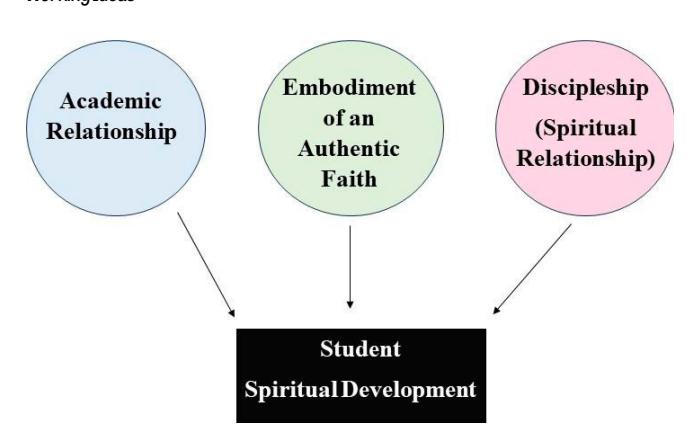
A crucial aspect of the reflective practice process involves exploring the factors that contribute to uncertainties within one’s discipline (Greenberger, 2020). This step entails drawing upon professional experience and personal intuition to identify the potential causes underlying the problem (Greenberger, 2020). By engaging in this thoughtful analysis, practitioners can gain deeper insights into the challenges they face and develop a more comprehensive understanding of the underlying issues at hand. My three working ideas on why Generation Z students in a secondary Christian school identified teachers as the most influential in their spiritual development are as follows: (a) the academic relationship, which is related to the teaching and learning process; (b) the teacher embodiment of an authentic Christian faith; and (c) discipleship, which is a profound and transformative spiritual relationship that goes beyond mere surface interactions (see Figure 1).
Figure 1 Working Ideas
ACADEMIC RELATIONSHIP
First, teachers spend significant time developing relationships with their students. Unlike other authority figures in their lives, such as parents or pastors, teachers interact with students daily and often play a central role in their academic and personal growth. Through their continuous presence and consistent engagement, teachers can establish trust, foster connections, and create a safe and supportive environment for students to explore and nurture their spiritual beliefs (Yoder, 2020). This ongoing relationship-building process allows teachers to profoundly impact Generation Z students’ spiritual development as they become trusted mentors and guides on their spiritual journey. As a teacher, I have encountered numerous instances where students have approached me to seek guidance and share their concerns and dilemmas related to college and career choices, as well as interpersonal conflicts with their parents, peers, or romantic partners. This ability to provide a safe space for students to confide in me demonstrates the significant role that teachers play in the lives of Generation Z students. Students often view their teachers as trustworthy and approachable figures who can offer valuable insights and support during challenging times. Without fail, my classroom has become a vibrant hub of social interaction during lunchtime, with students eagerly gathering to connect and engage with one another. The bustling atmosphere and the constant hum of conversation are a testament to the strong sense of community that has taken root within my classroom walls. Students recognize my classroom as a haven where they can unwind, share stories, and build lasting friendships. The familiar sights of students huddled in groups, animatedly discussing their latest triumphs or navigating the challenges of adolescence, have become an integral part of my daily routine. By fostering a positive and open classroom environment, teachers create an atmosphere where students feel comfortable discussing personal matters and seeking advice. These interactions extend beyond academic subjects, as students recognize that teachers possess life experiences and expertise to help them navigate various aspects of their lives.
TEACHER EMBODIMENT OF WWAN AUTHENTIC CHRISTIAN FAITH
Secondly, teachers who authentically live out the Christian faith serve as powerful role models for Generation Z students. These teachers demonstrate a genuine commitment to their faith, exhibiting integrity, compassion, and humility
in their daily lives. Their actions align with their teachings, offering students a tangible example of how to navigate the challenges of living a faithful life. By witnessing teachers’ authentic embodiment of the Christian values they impart, students are inspired and motivated to embrace and develop their faith. Just as important, students need to see that their teachers are not perfect, and as teachers admit their faults, it can be reassuring to students that they are not expected to live a perfect life. When teachers acknowledge their own imperfections and readily admit when they have made mistakes, they create an environment that allows students to see that faith is not about perfection but rather about growth and learning from one’s experiences. This humility encourages students to embrace their journey of faith, understanding that it is a continuous process of self-reflection, growth, and transformation. By witnessing the authentic embodiment of Christian values in their teachers’ lives, students are inspired and motivated to embrace and develop their own faith. They see firsthand the practical application of Christian teachings and values in real-life situations.
The teachers’ actions provide tangible examples of how to navigate the challenges and complexities of living a faithful life. As teachers live out their faith in front of the students, it serves as a paradigm that the Bible is still applicable and relevant in the world.
DISCIPLESHIP
Lastly, teachers assuming a discipleship role further strengthens their influence on the spiritual development of Generation Z students. In addition to imparting knowledge and academic skills, teachers actively guide and mentor students in their spiritual journeys. They provide biblical teachings, engage in thoughtful discussions, and encourage students to ask critical questions and seek answers rooted in their faith. This intentional discipleship approach helps students deepen their understanding of Christian principles, develop a personal relationship with God, and cultivate spiritual habits that extend beyond the classroom. Additionally, teachers model the importance of cultivating a personal relationship with God. They share their own experiences, testimonies, and struggles, illustrating the transformative power of faith and offering students glimpses into the richness of a vibrant spiritual
life. Through their authenticity and vulnerability, teachers demonstrate that the journey of faith is dynamic and ongoing, fostering an atmosphere of growth and learning. By assuming the discipleship role, teachers become more than educators—they become trusted spiritual guides who walk alongside students, fostering an environment of growth, discovery, and transformation. Their commitment to discipleship empowers students to deepen their understanding of their faith, develop an authentic and personal relationship with God, and cultivate spiritual habits that will continue to shape their lives long after they leave the classroom.
REFLECTIVE NARRATIVE
According to Greenberger’s (2020) GRP, an essential component of reflective practice is writing a reflective narrative, which includes a detailed and thick description of my experiences leading up to my revelation. By describing my experiences in a reflective-narrative format, I can share my feelings, experiences, and assumptions while providing context for the reader. As an educator with over two decades of teaching experience in secondary and post-secondary secular and parochial institutions, this reflective narrative documents my transformative journey at a single private Christian school and the subsequent research on the spiritual formation of Generation Z students.
My journey into Christian education began when my husband and I decided that a private Christian school was the best fit for our children. At the time, I was teaching part-time at a private Christian university and was working on my doctoral degree. With my extra free time, I decided to become involved at the school my children attended, where I led reading groups, served as a homeroom mom, and chaperoned field trips. By being present on campus, I saw the intentional focus on spiritual formation by the school’s administration team and the teachers, which was comforting to me as a parent.
After two years of being a parent on campus, the high school principal approached me to see if I would be interested in teaching their college English courses. The principal expressed the difficulty of finding a teacher with the qualifications to teach dual enrollment. To help the school where my children attended, I decided to accept the position as a college English instructor. Enthralled by
the prospect of integrating faith into the curriculum and shaping the spiritual growth of students, I entered this new role with excitement and anticipation. However, it quickly became evident that I was not teaching in a Sunday school class; I was confronted with the realities of teaching typical teenagers. Instead of focusing my efforts on spiritual components in my classroom, I found myself going back to the roots of my educational training, and my primary focus was to build relationships with the students in my classroom. To do this, I opened my classroom before school, during break, lunch, and after school for students. During these times, I began having small conversations with students about their interests and involvement in extra-curricular activities. What began as a seemingly trivial conversation soon evolved into more meaningful exchanges, and students began to share their life stories with me. Through these interactions, I discovered that despite attending a Christian school, students grappled with unstable homes, substance abuse, trauma, mental health issues, and spiritual doubts. It was comforting to know that the school prioritized intentional spiritual growth in the face of these challenges.
Even though I was successful at building relationships with my students, I began to question whether I was even prepared to teach in a Christian school. Each day, I found myself returning home with a heavy heart, carrying the weight of my students’ struggles and challenges. It was an overwhelming experience, leaving me feeling burdened and uncertain about how I could make a meaningful difference in their lives. Despite my best intentions, I felt helpless, unable to find the right solutions or support to alleviate their difficulties. For the first time, I was forced to face the stark reality that not all students in Christian schools were necessarily “on fire for Jesus.” The realization hit me with a mixture of surprise, humility, and a touch of apprehension. Until then, I had unwittingly bought into the notion that a Christian school environment automatically meant every student was deeply committed to their faith, fervently passionate about their spiritual journey, and unwavering in their devotion to Jesus Christ. It was an assumption I had carried with me, perhaps subconsciously influenced by the idealistic portrayal of such institutions in popular media and cultural narratives.
As I immersed myself in the daily life of the school community, it did not take long for me to observe a prevailing sense of spiritual apathy among the students. Initially, I hoped that my presence and enthusiasm for spiritual growth would ignite a spark of interest and engagement among the students. I believed that my passion for faith and the values I held dear would naturally inspire them to explore their spirituality with similar enthusiasm. However, reality presented a different picture. I noticed that several students approached religious activities and spiritual discussions with a lack of enthusiasm or genuine interest. Chapel services, times of prayer, and spiritual gatherings seemed to be attended more out of obligation than genuine desire. As I engaged them in conversations about their faith, I sensed a certain detachment, a hesitancy to delve into deeper discussions about their beliefs. It was disheartening to witness this spiritual apathy, as I understood the potential for transformative growth and fulfillment that comes from nurturing one’s faith. Each day I went to work, I found myself praying that God would make Himself known in the lives of my students. Despite the school’s intentional efforts on spiritual development, the lack of student engagement in their own spiritual formation raised concern. This pivotal moment prompted a profound decision to refocus my dissertation on the spiritual formation of Generation Z students. Recognizing the need for Christian schools to adapt their spiritual formation strategies to this technologically-driven generation, I delved into the literature, questioning the effectiveness of traditional approaches as I worked on my dissertation.
As an educator deeply invested in the wellbeing of my students, I grappled with the sincere desire to offer support and comfort during challenging times. However, I was hesitant to resort to the cliché response of simply telling my students, “I am going to pray for you.” While prayer is a powerful and meaningful act of faith for many, I wanted to ensure that my interactions with students reflected a more profound level of empathy and understanding. I yearned to be more than just a passive observer of their struggles, resorting to well-intended but potentially empty phrases. My heart called me to actively engage with my students, genuinely connect with their emotions, and offer tangible forms of support that could make a positive difference in their lives. To successfully accomplish this, I needed to proactively initiate and engage in meaningful spiritual conversations with my students. Rather than waiting for opportune moments to arise naturally, I took the initiative to create spaces where these discussions could thrive. I sought out opportunities during classroom discussions, one-on-one interactions, and even informal settings to address matters of faith and spirituality. I was intentional about weaving spiritual themes into the curriculum and encouraged open dialogue on relevant topics. By making myself approachable and cultivating an atmosphere of trust and acceptance, I ensured that my students felt comfortable sharing their thoughts and beliefs without fear of judgment. This enabled them to freely express their questions, doubts, and reflections on spirituality. Through these discussions with students, I discovered the multifaceted feelings they experienced. Some students felt Christianity was forced upon them, others doubted the authenticity and relevancy of the Bible, and some yearned for practical guidance in living out their faith. Recognizing the disconnect between what students learned about Christianity and its real-world application, I adjusted my teaching approach to address relevance and application. However, uncertainty lingered regarding the impact of these adaptations on their spiritual formation.
I also initiated a female Bible study in my home to try to understand and empathize with the unique struggles and challenges faced by my female students. The idea of the Bible study was not just about exploring religious teachings but also about creating a platform for open and honest discussions about the various aspects of being a woman in today’s world. As the conversations unfolded, it became apparent that many of the struggles faced by the female students were universal in nature. The Bible study served as a catalyst for acknowledging shared experiences, breaking down barriers of isolation, and cultivating a sense of solidarity among the participants. The Bible study also provided an opportunity for the girls to learn from one another’s experiences and offer support and encouragement. It was heartening to observe how the group evolved into a supportive community where everyone was invested in each other’s growth and
well-being. Outside of the Bible study sessions, the connections and bonds forged continued to flourish. Students reached out to one another during difficult times, celebrated each other’s achievements, and offered a listening ear whenever needed. It was clear that the impact of this initiative extended far beyond the confines of my home.
After two years of teaching, I completed data collection for my dissertation and began reviewing the results. Surprisingly, I discovered that Generation Z students perceived teachers as the most influential figures in their spiritual development, surpassing the impact of weekly chapels, mission trips, and service projects. This revelation sparked numerous questions: What differentiated teachers from other spiritual formation activities? Why did students identify all teachers as influential, not just those teaching Bible classes? Did teachers feel qualified for this responsibility? Uncovering the behaviors and practices employed by teachers to generate such influence became paramount in my journey for knowledge.
Driven by a deep motivation to improve my teaching practices and make a meaningful contribution to the Christian school community, I embarked on an extensive exploration of the literature. My objective was to unravel the elusive factors that empower teachers to have a profound impact on students’ spiritual formation. Through this process, I aspired to not only enhance my own growth as a teacher in a Christian high school but also to share my findings with the staff members of my school and other Christian educational institutions. With an enthusiastic sense of hope, I believed this collective knowledge could bring about positive change and enrich the spiritual development of students in Christian schools.
EVALUATION OF IDEAS
Reflective practice begins with identifying an uncertainty or problem, defining the problem, and then analyzing why the problem occurred (Dewey, 1938). The uncertainty I encountered was the unexpected realization from my doctoral dissertation data: Generation Z students perceived their relationships with teachers as the main catalyst in their spiritual formation. This revelation presented a significant problem as my colleagues and I had not perceived ourselves as the central influencers in students’ spiritual development. The
perplexing question emerged: Why did Generation Z students attribute such importance to teachers when our Christian school provided various avenues like chapels, Bible classes, service projects, mission trips, and discipleship groups to nurture their faith? Uncovering the underlying reasons behind this perception became an essential aspect of my reflective practice.
The next step in the reflection process is to evaluate the working ideas by identifying their strengths and weaknesses and providing literature and theories that support the evaluation (Greenberger, 2020). This phase delves into a comprehensive analysis of the proposed ideas, examining their merits and limitations in light of existing scholarly discourse and theoretical frameworks. By leveraging the knowledge and expertise found in scholarly literature, I was able to objectively analyze my working ideas and gain a deeper understanding of their potential implications and significance. In examining the strengths of my working ideas, I sought to identify aspects that were robust, well-supported, and aligned with existing theories and empirical evidence. These strengths served as the solid foundation upon which I can build my research and lend credibility to my findings. I also paid close attention to discrepancies between my working ideas and existing research. As Dewey (1938) contended, mere observation falls short of true understanding. To grasp the essence of our experiences, we must delve deeper into the significance of what we see, hear, and touch. By engaging in a rigorous assessment, I gained a deeper understanding of the viability and potential
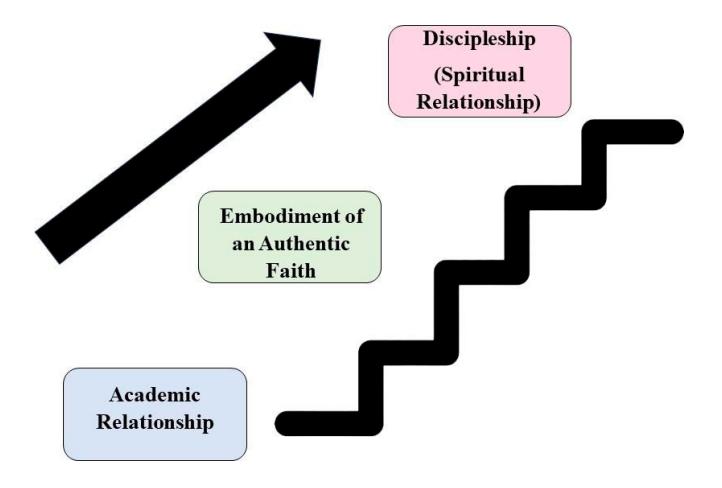
Figure 2 Working Ideas Build upon Each Other
implications of these ideas, ultimately refining my insights and expanding my knowledge base. For the purpose of this reflection, the three working ideas I evaluated are as follows: (a) academic relationship, (b) teacher as the embodiment of the Christian faith, and (c) discipleship. Because spirituality is a complex phenomenon, it was fundamental to explore theological theories about spiritual development.
SPIRITUAL DEVELOPMENT THEORIES
One of the fundamental theories scholars used when examining spiritual development encompassed the work of James Fowler. James Fowler introduced his stages of faith theory in 1981 to explain the cognitive constructs behind how a person formulates a set of beliefs based on faith and how those beliefs change over a lifespan. Fowler (1981) viewed faith as a universal part of human development, not necessarily attached to God or religion. Furthermore, Fowler neglected to address the act of conversion (Loder & Fowler, 1982).
As a practitioner in a Christian school, the act of conversion is central to spiritual formation. Therefore, I explored spiritual development theories grounded in Fowler’s work. Westerhoff’s (2012) spiritual development theory is similar to the work of Fowler’s (1981) stages of faith theory. However, unlike Fowler, Westerhoff believed that faith development fails to transpire without God or the Holy Spirit. In contrast, Westerhoff contended that experience, rather than age, influences spiritual development (see Appendix A). Westerhoff acknowledged that he based his spiritual development theory on Fowler’s (1981) stages of faith and Dewey’s (1938) experiential learning. Westerhoff’s theory incorporates the cognitive stages of Fowler and the need
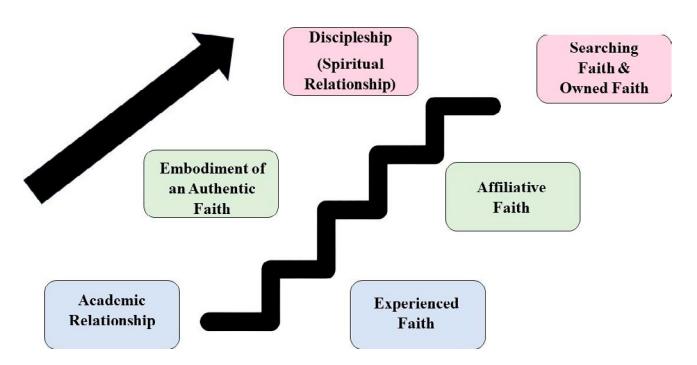
Figure 3 Working Ideas and Westerhoff’s Stages of Faith
for experiences from Dewey. Both Fowler and Westerhoff agreed that faith development includes cognitive, affective, and relational aspects. However, Westerhoff’s framework accounts for the act of conversion. Therefore, this reflective practice included an examination of Westerhoff’s spiritual development theory because it provides the foundation for Christian spiritual formation. Now that the theories on spiritual development have been explored, the working ideas can be evaluated.
ACADEMIC RELATIONSHIP
In a Christian school, the academic relationship remains a significant component in developing a faith community. Students desire to have sound relationships with their teachers, and they appreciate teachers who demonstrate care and concern for students as well as transparency in the classroom (Hall et al., 2009; Scouller, 2012). When Christian schoolteachers take the time to establish meaningful relationships with their students based on respect and trust, they model a Biblical worldview on how to be Christ-like in their relationships (Scouller, 2012). Within the student-teacher relationship, several factors contribute to developing a positive relationship with students, which is needed to establish a faith community, which includes genuine care and concern for students and establishing trust.
Care and concern. First and foremost, teachers must show genuine concern and interest for their students. Several researchers have extensively examined the influence of teachers’ nurturing and personal support on student outcomes (Song et al., 2022; Whitehead et al., 2023). According to Whitehead et al. (2023), students build positive relationships with their teachers when they perceive them as kind, caring, and helpful. When students perceive a genuine sense of care and support from the adults in their school, they develop a strong sense of belonging and connection to their educational community (Owusu-Ansah & Kyei-Blankson, 2016). Creating meaningful connections with students enables students to establish school connectedness, which refers to students’ perceptions of being valued and supported by teachers, administrators, and support staff, both as individuals and in their overall academic success (Blum, 2005). Gane’s (2014) research revealed that adolescents with more than four adults interested in their lives showed a 100% increase in their faith commitment and faith maturity over adolescents who had no
adults in their lives. Teachers who embody caring, nurturing, and Christ-like qualities in the classroom foster an enriching environment where students can forge meaningful connections with their teachers. By demonstrating genuine care for their student’s academic and personal well-being, teachers create a safe space where open and meaningful spiritual conversations can take place (Whitehead et al., 2023). These deeper conversations go beyond academic topics and delve into the students’ hopes, fears, aspirations, and struggles. As a result, students feel valued, understood, and supported, allowing them to thrive academically, emotionally, and spiritually.
Trust. Building trust is also crucial in establishing a positive student-teacher relationship within a faith community. Trust is nurtured through consistent and reliable interactions, maintaining confidentiality, and honoring commitments made to students (Macomber & McKay, 2021). When students trust their teachers, they are more likely to be open, vulnerable, and willing to explore their faith and ask meaningful questions (Scouller, 2012). Teachers who prioritize honesty, integrity, and transparency in their interactions foster an environment where trust can thrive, allowing students to feel comfortable expressing their thoughts, doubts, and beliefs (Reichard, 2013). Numerous students have disclosed to me spiritual doubts, which have included whether God exists, struggles with trusting God’s plan for their lives, frustrations with some of the legalistic beliefs in the Christian faith, and anger with God for allowing tragedy to come into their lives. According to Westerhoff (2012), for faith to become part of a person, there needs to be a time of doubt and questioning, which leads the person to explore the truth and validity of his or her personal faith. Bailey et al. (2016) discovered that even emerging adults with deeply embedded spirituality experienced questioning and doubt related to their faith, which demonstrated the inconsistency, complexity, and fluctuation of spiritual development. This can explain why students who appear so grounded in their faith suddenly falter in their faith in the midst of difficult experiences. Westerhoff (2012) argued that the faith community becomes most needed during the stage of searching for faith. Hence, when teachers build trusting relationships with their students, a faith community is established.
TEACHER EMBODIMENT OF AN AUTHENTIC CHRISTIAN FAITH
Teachers also serve as living examples of Christian faith, embodying the values and principles they seek to instill in their students. By authentically living out their faith, teachers create a compelling model for students to follow. Christian schooling is the transfer of a way of life from teacher to student, where learning occurs not only through didactic instruction but also through the consistent and compelling examples set by educators (Drexler & Bagby, 2021).
Their actions, attitudes, and behaviors align with their teachings, providing a tangible demonstration of what it means to live a faithful life (Horan, 2017; Scouller, 2012; Westerhoff, 2012; Yoder, 2020). This goes beyond simply teaching religious content or leading prayers in the classroom. It involves embodying qualities such as love, compassion, forgiveness, and integrity in their actions, attitudes, and behaviors (Drexler & Bagby, 2021; Tandana et al., 2022). Teachers who genuinely live their faith demonstrate consistency between what they teach and how they live, demonstrating what it means to live a faithful life.
When students witness their teachers exemplifying Christian values, it has a profound impact on their own understanding and practice of faith (Drexler & Bagby, 2021; Tandana et al., 2022; Yoder, 2020). Observing teachers who demonstrate kindness, empathy, and respect fosters an environment where students can experience firsthand the transformative power of Christian principles. It enables students to see the relevance and practical application of their faith in real-life situations (Drexler & Bagby, 2021; Tandana et al., 2022; Yoder, 2020). Teachers who authentically live out their faith also create a sense of trust and authenticity in the classroom.
Students are more likely to be receptive to the teachings and guidance of teachers who exhibit congruence between their words and actions (Drexler & Bagby, 2021; Tandana et al., 2022). The lived example of a teacher’s faith serves as a powerful testimony, influencing students’ attitudes, beliefs, and behavior both inside and outside the classroom. By witnessing the transformative power of faith in their teachers’ lives, students are motivated to embrace their own faith journey and explore its implications for their own lives.
DISCIPLESHIP
Beyond relationships and being a living example, some teachers choose to invest more in their students by discipling them. Discipleship comprises an essential element of spiritual formation. Burggraff (2018) described discipleship as a deliberate process of growing Christians spiritually. Christian schools typically adopt various approaches to discipleship, including social activities, with the intent of helping adolescents with their spiritual formation. Scholars recognize the social needs of adolescents and the positive response toward disciple models with a relational approach, which consists of meaningful relationships with others in a faith community, such as a mentoring relationship with a nonparental figure (Beagles, 2012; Burggraff, 2018). A relational discipleship approach employs the social aspects of modeling and observing that naturally occur in mentoring relationships as the foundation for the teaching and learning of the Christian faith (Beagles, 2012). Relational discipleship remains consistent with the findings of Brown (2016) and Gane (2014), who emphasized the importance of adolescent social relationships and spiritual development. Christian schools can serve as an environment where adolescents can build social relationships with teachers, staff, and other adult leaders who can mentor them to become more like Christ.
The process of discipleship in adolescents through social activities can aid in lasting spiritual formation. Beagles (2012) revealed that adolescents desire mentoring relationships with adults they admire and respect to overcome challenges in life. Adolescence and emerging adulthood remain a complex phase accompanied by questioning, doubt, pain, and confusion with spiritual matters (Bailey et al., 2016; Dein, 2013). Gane’s (2014) research also indicated that adolescents with meaningful adult mentor relationships encompassed higher faith commitments than adolescents without adult mentors. Teachers who are transparent in sharing personal experiences and challenges demonstrate vulnerability and promote a safe space for students to do the same (Kinnaman & Matlock, 2019; Yoder, 2020). This transparency allows students to witness their teachers’ genuine engagement with faith, making it easier for students to share their perspectives and seek guidance without fear of judgment.
Discipleship allows adolescents to establish meaningful social relationships, which serve as support systems through life’s experiences. Various researchers acknowledge that spiritual mentors can help adolescents navigate difficult times through the use of scripture, prayer, and Godly counsel (Christie & Christian, 2012; Kinnaman & Matlock, 2019; Lang, 2015). As adolescents immerse themselves in a faith community and build relationships with their teachers, these relationships model the Christian life for adolescents while teaching them how to be disciples (Beagles, 2012). Christian schools serve as a faith community for many adolescents, and this community creates an environment for the discipleship of adolescents through social activities that allow for the mentoring of adults. Moreover, the discipleship provided by teachers allows adolescents to navigate the challenges and questions they may encounter on their spiritual journey (Drexler & Bagby, 2021; Kinnaman & Matlock, 2019; Westerhoff, 2012). Students can seek guidance, ask meaningful questions, and receive support from teachers who have walked a similar path and have a deeper understanding of the Christian faith.
DECISION
Dewey (1938) emphasized the act of reflection as a deliberate process of introspection and examination. When we reflect, we engage in a thoughtful review of our past actions, experiences, and thoughts in order to uncover the deeper meanings and insights they hold. After reflecting on the literature and spiritual development theories in conjunction with my practitioner experience, I can see that there are multiple reasons why students at a Christian school identified teachers as the main influence in their spiritual formation. The comprehensive review of literature accentuates a compelling notion—teachers in Christian schools transcend the conventional boundaries of academic instruction. They assume multifaceted roles as trusted confidants, dedicated mentors, inspiring role models, and invaluable spiritual guides. Within the realm of Christian education, teachers possess a distinctive opportunity to seamlessly weave faith and learning together, fostering an educational milieu that nurtures and cultivates students’ spiritual growth holistically (Chandler, 2015; Hall et al., 2009; Scouller, 2012; Yount, 2016).
After examining my three working ideas, it became clear to me that each one of them builds upon the other. It is impossible for a teacher to disciple a student if there is no teacher-student relationship or the embodiment of an authentic faith (see Figure 2). Upon this realization, it was understandable why teachers in Christian schools serve as the main influence in the student’s spiritual formation because of the significant amount of time spent together in the school setting. Students are surrounded by teachers during the academic school day, athletic practices, and various other extra-curricular events.
The collective participation of teachers in various spiritual formation strategies further solidifies their influential role. Whether leading chapel services, organizing mission trips, engaging in service projects, teaching Bible classes, or integrating faith into academic subjects, teachers are actively involved in shaping the spiritual landscape of the school. Their presence in these activities and events serves as a constant reminder to students that faith is not just taught but also lived out by the very individuals entrusted with their education. The mere presence of teachers in all of the spiritual formation strategies at the school is what cultivates a faith community where students naturally seek out their teachers for spiritual support. Unlike public schools, where religious discussions, activities, and expressions may be limited, Christian schools often provide a space where teachers can openly discuss and model their faith. This continuous exposure to teachers who openly live out their faith has a profound impact on students. Students bear witness to the integration of faith into everyday life, observing firsthand how teachers’ beliefs and values shape their actions, decisions, and interactions. This authentic modeling of faith by teachers—which has been supported by the research of Chandler (2015), Hall et al.
(2009), Scouller (2012), and Yount (2016)—creates a powerful environment for students to see the practical application of Christian principles, instilling in them a desire to follow suit.
Notably, it cannot be assumed that all students in a Christian school are at the same level of spiritual development. With the understanding of Westerhoff’s (2012) stages of faith theory, it becomes evident that students at different stages of faith require different relationships with their teachers (See Figure 3). Because students overwhelmingly identified teachers as the main catalyst in their spiritual formation, it is clear that teachers adeptly adjust their roles and approaches to meet students precisely where they are on their individual faith trajectories.
Whether students are in the early stages of exploration, wrestling with doubts and uncertainties, or experiencing a profound connection with their faith, teachers skillfully tailor their guidance, instruction, and support to facilitate growth, foster critical thinking, and nurture spiritual exploration.
In addition, teachers serve as facilitators of community and collaboration within the Christian school environment. Westerhoff’s (2012) stages of faith theory aligns with the importance of fostering a supportive community for spiritual growth. Within this context,teachers assume the vital role of cultivating a sense of belonging, connectedness, and shared purpose among students. By organizing communal activities, encouraging discussions, and facilitating shared experiences, teachers create opportunities for collective worship, service, and spiritual growth. In this way, they contribute to the development of a vibrant faith community where students can learn from one another, build relationships, and deepen their understanding of their faith. The unique position of teachers in Christian schools allows them to have a direct and lasting impact on students’ spiritual journeys. Based upon the assertions of Fowler (1981) and Westerhoff (2012), a faith community fosters identity and creates a sense of belonging for adolescents. According to Frye (2014), adolescents view community and belonging as important concepts in searching for authentic faith, which is consistent with the findings of Brown (2016). Brown (2016), Capitano and Naudév (2020), Emmanuel and Delaney (2013), and Gane (2014) acknowledged that faith communities directly influence adolescents’ church retention, spiritual identity, spiritual maturity, and behaviors. In Brown’s (2016) study, adolescents expressed the desire for community through relationships with other adults, faith-based peer relationships, and the ability to serve with other believers. Emmanuel and Delaney’s (2013) quantitative study indicated that higher levels of spiritual identity and spiritual maturity related to strong religious social support or a faith community.
The examination of spiritual development theories, particularly Westerhoff’s stages of faith, affirms the multifaceted roles played by Christian school teachers in students’ spiritual formation. Their ability to adapt and assume different roles aligns harmoniously with the stages of faith, allowing them to meet students at various points on their faith journey. As guides, mentors, compassionate listeners, and facilitators of community, teachers have a transformative influence on the spiritual growth of their students, fostering resilience, critical thinking, and a deepening connection with faith.
REFLECTIVE CRITIQUE
The final stage of my reflective process involved conducting a critique of the process itself, guided by Greenberger’s (2020) reflective framework. This practice aimed to enhance my role in students’ spiritual formation and educate other Christian school teachers on the perceptions of Generation Z students. Throughout this reflective journey, I experienced a range of emotions, from confusion and self-doubt to moments of absolute clarity. Engaging in this critique allowed me to approach the literature and my dissertation data from a fresh perspective, deepening my understanding of the vital role teachers play in the spiritual formation of students within Christian schools.
One notable conclusion that emerges from Greenberger’s (2020) reflective framework is a newfound understanding of my teaching behaviors. I have come to realize that the methods I employ to deliver academic content hold little influence over students’ spiritual formation.
Instead, the key lies in establishing genuine and meaningful relationships with each student who enters my classroom. Rather than obsessing over presentation techniques or the teaching of spiritual concepts, my focus should be on taking a genuine interest in students, modeling Christlike behaviors through my attitude and actions, and making myself available to mentor them by
sharing my own faith journey. Despite Generation Z students’ reliance on technology, they still yearn for face-to-face relationships and adult guidance.
Another outcome of applying Greenberger’s (2020) reflective framework is increased confidence in explaining my dissertation data and effectively communicating this information to administrators and fellow teachers in my school and other Christian schools. Previously, I lacked a clear and substantive explanation for the unexpected results of my research. When sharing portions of my data with colleagues in the past, I failed to articulate the spiritual significance of the small, everyday actions of teachers, which can foster deep relationships with students. While teachers often dedicate significant effort to enhancing curriculum and instruction for spiritual growth, the crux lies in investing a majority of our efforts into building genuine and authentic connections with students. Prioritizing the relational role of teachers in students’ lives can lead to even greater spiritual development—an essential aspect of every Christian school’s mission. This notion hinges on the premise that all teachers in a Christian school are exemplifying Christ-like behaviors in their daily lives. However, it is essential to acknowledge that there may be instances where certain teachers’ actions could potentially impede the spiritual growth of students. These observations warrant careful consideration as they can profoundly impact the overall spiritual climate within the school community.
Lastly, employing Greenberger’s (2020) reflective framework has transformed my beliefs regarding the unexpected findings of my dissertation research. Christian schools allocate many resources, such as weekly chapels, mission trips, service projects, community groups, spiritual retreats, professional development opportunities, and faith-learning integration initiatives, all geared toward fostering students’ spiritual formation. However, the element that often goes unnoticed and yet holds the utmost significance is the teachers themselves. Instead of constantly seeking new programs and initiatives to supplement spiritual transformation efforts in Christian schools, I now realize the importance of examining my teaching philosophy and seeking out best practices for building meaningful relationships with students, understanding their generational context, and embracing unfamiliar approaches to connect with them. I am committed to moving beyond mere routine and becoming a teacher who comprehends the unique needs of the students in my classroom, finding purpose in my actions, and remaining adaptable as necessary.
RECOMMENDATIONS FOR FUTURE RESEARCH
This reflection demonstrated how this secondary Christian school teacher had to examine some unexpected findings from her dissertation research, which indicated that teachers are the main catalyst in the spiritual formation of Generation Z students. This reflective practice explored the reasons why the multifaceted relationships teachers build with students are significant in the spiritual development of adolescents. Moving forward, it is crucial to engage in further research to deepen our understanding of these dynamics and inform best practices in Christian schools.
First, conducting additional qualitative research on Generation Z’s perceptions of teacher behaviors and their role in the spiritual formation process would provide valuable insights for Christian school teachers. This research can help identify effective strategies and behaviors teachers can employ to create meaningful connections with students and facilitate their spiritual growth.
Second, further qualitative case study research is recommended to gain insights into how Generation Z students perceive attending a Christian school and their engagement with spiritual practices, their views on the integration of faith in different subjects, and the factors that facilitate or hinder their spiritual growth within the school environment. This research can uncover the various factors, both within and outside the classroom, that shape students’ faith journeys, offering insights into this generation’s unique challenges, motivations, and aspirations.
In addition, it is important to explore teacher perceptions of relational strategies used to foster discipleship relationships with Generation Z. A phenomenological study could delve into teachers’ experiences, perspectives, and challenges in developing authentic connections with students, allowing for the identification of effective approaches and the sharing of best practices among educators.
Lastly, there is a need for continued research to develop and validate quantitative measurement tools to assess the effectiveness of spiritual formation programs and initiatives in Christian schools. This research can contribute to establishing evidencebased practices and enable schools to track the impact of their efforts in a systematic and measurable way.
RECOMMENDATIONS FOR FUTURE PRACTITIONERS
This reflective practice revealed that my dissertation results were not unique to me (Beagles, 2012; Burggraff, 2018; Chandler, 2015; Drexler & Bagby, 2021; Hall et al., 2009; Scouller, 2012; Yount, 2016). Moreover, the findings of this reflective practice could be beneficial to other practitioners and Christian schools. Two recommendations
for future practice have been identified from this reflective practice.
First, using Greenberger’s (2020) GRP proved to be an enriching and insightful journey.
While I am still a novice researcher, I consider myself a veteran educator, and the value of reflecting on my practices in conjunction with student spiritual formation stretched me in ways that made me uncomfortable with my limited understanding and eager to learn more. I dedicated myself to this process and engrossed myself in the literature because of my passion for Christian education and the spiritual formation of Generation Z. Without this fervor driving me forward, I would not have embarked on such an extensive and thorough examination of the literature. This unwavering passion allowed me to uncover valuable insights and gain a profound understanding of the complexities surrounding Generation Z’s perceptions of the teacher’s role in their spiritual formation. Uncovering that there are various types of relationships teachers build with students indicates that Christian schools need to invest more in helping teachers learn strategies and best practices to help facilitate relationship-building and spiritual growth in the lives of students. My recommendation for future practice is for Christian school teachers to not spend the majority of their efforts on curriculum and instruction that they neglect to build relationships with their students.
Secondly, I found that in using the GRP, I was confronted with the realization that I had embodied the mindset that the spiritual formation of students was the job of the school’s leadership team. As a teacher, I embraced the false mindset that what I did in my classroom was not as important as the job of a school administrator since I was hired to teach English. This reflective practice caused me to see that I had a much more important role at the school—I had the ability to influence the eternity of students. My job entailed so much more than just teaching English. God has entrusted me to impart Biblical truth into the lives of every student who comes into my classroom. To do this, I must not neglect my own spiritual health and make time to engage in spiritual disciplines regularly. My recommendation for future practice is to ensure that teachers invest in their own spiritual growth. Amid all the responsibilities and duties placed on teachers, teachers still need to make the time to read their Bibles, pray, and be in fellowship with other Believers. If teachers are not growing spiritually, it will be difficult to model an authentic Christian life for students.
References
- Bailey, K. G. (2012). Faith-learning integration, critical thinking skills, and student development in Christian education. Journal of Research on Christian Education, 21(2), 153–173. http:// dx.doi.org/10.1080/10656219.2012.698831
- Barna Group. (2018). Gen Z: The culture, beliefs, and motivations shaping the next generation. Tyndale House.
- Beagles, K. (2012). Growing disciples in community. Christian Education Journal, 9, 148–164. https://doi. org/10.1177/073989131200900111
- Blum, R. (2005). A case for school connectedness. Educational Leadership, 62(7), 16.
- Brown, M. G. (2016). The impact of adolescent experiences on emerging adult church-based retention. The Journal of Youth Ministry, 13(1), 5–16. https://doi. org/10.1177/073989131601300102
- Burggraff, A. (2018). Developing discipleship curriculum: Applying the systems approach model for designing instruction by Dick, Carey, and Carey to the construction of church discipleship courses. Christian Education Journal, 12(2), 397–414. https:// doi.org/10.1177/07398913150120021
- Capitano, T.-A., & Naudé, L. (2020). Context as co-creator in spiritual life stories: The contextual nature of South African adolescents’ spiritual identity development. International Journal of Children’s Spirituality, 25(1), 9–29. https://doi- org./ 10.1080/1364436x.2020.1769567
- Chandler, D. (2015). Whole person formation: An integrative approach to Christian education. Christian Education Journal, 12 (2), 314–332. https://doi.org/10.1177/073989131501200205
- Christie & Christian (2012). What considerations are important for fostering the faith development of senior students? A case study of two schools with campus churches. TEACH Journal of Christian Education, 6(1).
- Dein, S. (2013, September). Religious doubts: Implications for psychopathology and psychotherapy. Bulletin of the Menninger Clinic, 77(3), 201–221. http://dx.doi.org/10.1521/ bumc.2013.77.3.201
- Dewey, J. (1938). Experience and education. Macmillan.
- Dewey, J. (1933/1989). How we think. In J. A. Boydston (Ed.), The later works of John Dewey, 1925-1953: Vol. 8. 1933, Essays and how we think, revised edition (pp. 105–352).
- Southern Illinois University Press.
- Drexler, J., & Bagby, A. H. (2021). Defining and assessing spiritual formation: A necessity for Christian schooling. International Christian Community of Teacher Educators Journal, 16(1).
- Emmanuel, G., & Delaney, H. D. (2013). Keeping faith: Factors contributing to spiritual transformation, identity, and maturity
- in adolescents. American Theological Library Association Summary of Proceedings, 67, 110–120. https://doi. org/10.21038/asir.2013.0003
- Fowler, J. (1981). Stages of faith: The psychology of human development and the quest for meaning. Harper & Row.
- Frye, S. B. (2014). Becoming an adult in a community of faith. New Directions for Adult & Continuing Education, 143, 51–61. http:// dx.doi.org/10.1002/ace.20104
- Gane, B. (2014). Adolescent faith that lasts. Journal of Youth Ministry, 13(1), 42–61. https://www.aymeducators.org/journalyouth-ministry/
- Greenberger, S. W. (2020). Creating a guide for reflective practice: Applying Dewey’s reflective thinking to document faculty scholarly engagement. Reflective Practice, 21(4), 458–472. https://doi.org/10.1080/14623943.2020.1773422
- Greenberger, S. W., & Or, J. (2022). Cultivating faculty readiness to reflect: Reconstructing
- Dewey’s attitudes for reflection as character strengths. Reflective Practice, 23(3), 291–304. https://doi.org/10.1080/14623943.20 21.2015685
- Hall, E. L., Ripley, J. S., Garzon, F. L., & Mangis, M. W. (2009). The other side of the podium: Student perspectives on learning integration. Journal of Psychology and Theology, 37(1), 15–27. https://doi.org/10.1177/009164710903700102
- Hall, T. W., Edwards, E., & Wang, D. C. (2015). The spiritual development of emerging adults over the college years: A 4-year longitudinal investigation. Psychology of Religion and Spirituality, 8(3), 206–217. http://dx.doi.org/10.1037/ rel0000051
- Horan, A. P. (2014). Perceptions of teachers and administrators in private Christian school settings regarding spiritual formation programming for millennials (Order No. 3646203). Available from ProQuest Dissertations & Theses Global.
- Horan, A. P. (2017). Fostering spiritual formation of millennials in Christian schools. Journal of Research on Christian Education, 26(1), 56–77. http://dx.doi.org/10.1080/10656219.2 017.1282901
- Igel, C., & Urquhort, V. (2012, March). Generation Z, meet cooperative learning. Middle School Journal, 43(4), 16–21.
- Jain, V., Vatsa, R., & Jagani, K. (2014). Exploring Generation Z’s purchase behavior towards luxury apparel: A conceptual framework. Romanian Journal of Marketing, 2, 18–29.
- Kinnaman, D., & Matlock, M. (2019). Faith for exiles: 5 ways for a new generation to follow Jesus in a digital Babylon. Baker Books.
- Loder, J. E., & Fowler, J. W. (1982). Conversations on Fowler’s ‘Stages of Faith’ and Loder’s ‘The Transforming Moment.’ Religious Education, 77(2), 133–148. http://dx.doi. org/10.1080/0034408820770203
- Long, V. E. (2014). The role of Christian education in the development of spiritual stamina in young adult graduates of Christian schools (Order No. 3620130). Available from ProQuest Dissertations & Theses Global.
- Macomber, G., & McKay, C. (2021). The importance of relationships in education: Reflections of current educators. Journal of Education, 203(4), 751–758. http://dx.doi.org /10.1177/00220574211057044
- Owusu-Ansah, A., & Kyei-Blankson, L. (2016). Going back to the basics: Demonstrating care, connectedness, and a pedagogy of relationship in education. World Journal of Education, 6(3), 1–9.
- Reichard, J. D. (2013). From indoctrination to initiation: A noncoercive approach to faith- learning integration. Journal of Education & Christian Belief, 17(2), 285–299. http://dx.doi. org/10.1177/205699711301700207
- Scouller, D. L. (2012). From philosophy to practice: An investigation of the impact of a school’s philosophy on policy and classroom practice. Journal of Education & Christian Belief, 16(1), 61–80. http://dx.doi.org/10.1177/205699711201600106
- Seemiller, C., & Grace, M. (2016). Generation Z goes to college. Jossey-Bass.
- Song, L., Luo, R., & Zhan, Q. (2022). Toward the role of teacher caring and teacher-student rapport in predicting English as a foreign language learners’ willingness to communicate in second language. Frontiers in Psychology, 13. https://doi. org./10.3389/fpsyg.2022.874522
- Tandana, E.A., Yowa, E. K., & Yuanri Manik, N. D. (2022). Character education in forming student behavior: A viewpoint of Christian religious education learning. Didache: Journal of Christian Theology and Education (3)2, 161–176. http://dx.doi. org/ 10.55076/didache.v3i2.48
- Twenge, J. M. (2017). iGen: Why today’s super-connected kids are growing up less rebellion, more tolerant, less happy, and completely unprepared for adulthood. Atria Books.
- Westerhoff, J. H. (2012). Will our children have faith? (3rd ed.). Morehouse Publishing.
- White, J. E. (2017). Meet Generation Z: Understanding and reaching the new post-Christian world. Baker Books.
- Whitehead, J., Schonert-Reichl, K. A., Oberle, E., & Boyd, L. (2023). What do teachers do to show they care? Learning From the voices of early adolescents. Journal of Adolescent Research, 38(4), 726–760. https://doi-org /10.1177/07435584221076055
- Yoder, A. C. (2020). Spiritual Formation Strategies for Generation Z Students in a Secondary Christian School (Order No. 22621273). Available from ProQuest Dissertations & Theses Global.
Yount, W. R. (2016). The role of scripture in Christian education, session I: Scripture as the structural steel of Christian education. Christian Education Journal, 9, S-30-S-44. https://doi. org/10.1177/073989131601300207
APPENDIX A
FOWLER’S FAITH STAGES VS. WESTERHOFF’S FAITH STAGES
| Fowler’s Stages (1981) | Westerhoff’s Stages (2012) | |
|---|---|---|
| Intuitive-Projective Faith ( > 6 years) | Basic ideas about God come from parents, society, fantasy, or reality. These ideas tend to be mixed. | Experienced Faith: Based on the individual’s experience of the Christian faith rather than a cognitive understanding. Experienced faith encompasses only the affective domain and grows from the participation and imitation of Christian |
| Mythical-Literal Faith (7-12 years) | Accepts the stories told by the faith community but tend to understand them in literal ways. Faith becomes the stories told, and the rituals practiced. | traditions and rituals with other Christians. |
| Synthetic- Conventional Faith (Adolescence – Adulthood) | The stage where abstract thinking begins, and one adopts some type of universal belief system. Individuals begin to see layers of meaning in the stories, rituals, and symbols of their faith and see things from someone else’s perspective. Faith tends to be modeled rather than internalized. | Affiliative Faith: Centers on an individual’s sense of belonging and participation in a faith community. Individuals become engaged in the social, spiritual, and service activities of a faith community. This stage develops and grows from the community experience that includes the acceptance and development of deep relationships with other Christians. |
| Individuative- reflective Faith (Mid Adulthood) | The stage where people begin to question their own assumptions about the faith tradition and remove themselves from a faith community. People tend to reject parts of their faith while affirming other parts. In the end, the person starts to take greater ownership of their own faith. Faith becomes owned and personal. | Searching faith: Encompasses the questioning and internalizing of the Christian faith. This develops as individuals determine whether to adopt the beliefs of the faith community. Individuals tend to question the beliefs of the Christian faith and withdraw from a faith community before accepting the Christian beliefs as their own. |
| Conjunctive Faith (Mid-Late Adulthood) | The stage when some answers have been found, and the person becomes comfortable not knowing all the answers. Embraces an openness to other hearing people’s faith perspectives as they desire to understand others. | Owned Faith: Individuals know what they believe, why they believe it and can defend their beliefs to others. Individuals take ownership of their beliefs and profess their beliefs through personal and social action. |
| Universalizing Faith | Encompasses the ability to relate to anyone at any stage and from any faith. They put their faith into action, challenging the status quo and working to create justice in the world. These are people who commit their entire being to the religious cause. |